 0
0
 0
0
A Historic Tradition from Quiapo to Europe
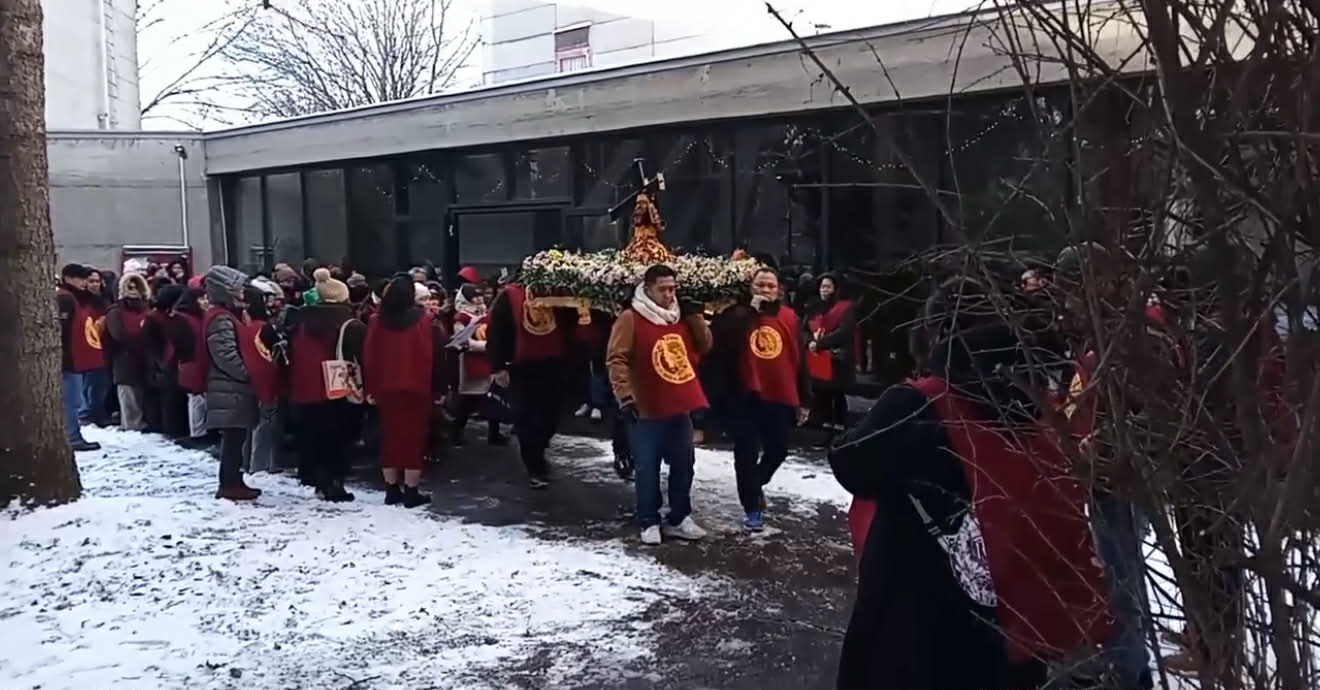
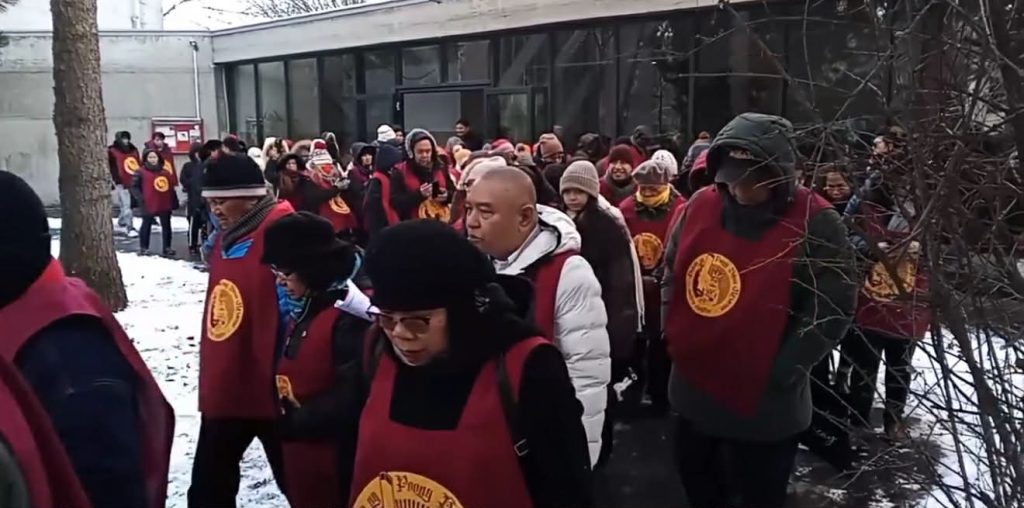
Vienna, Austria — January 11, 2026. Filipino Catholic devotees in Vienna gathered in deep faith and vibrant unity as the Translación of Hesus Nazareno was celebrated at the Johann Capistran Church, Forsthausgasse 22, in the 20th District. Despite the winter cold, devotees filled the church and surrounding streets, joining a centuries‑old tradition that traces its roots to one of the Philippines’ most iconic religious events.
The Event in Vienna
The celebration began with a solemn Mass, followed by a devotional procession carrying the image of Hesus Nazareno. Families, youth groups, migrants, and long‑time residents walked together, praying the rosary and singing hymns familiar to every Filipino who has witnessed the devotion in Quiapo.
For many attendees, the event was more than a religious gathering—it was a homecoming of the heart. Migrant workers, students, and families shared that joining the Translación in Vienna helped them stay connected to their faith, culture, and homeland.

A Brief History of the Translación
The Translación refers to the massive annual procession of the Black Nazarene, a dark‑skinned statue of Jesus carrying the cross, enshrined in the Minor Basilica of the Black Nazarene in Quiapo, Manila.
Origins
- The image arrived in the Philippines from Mexico in 1606, brought by Augustinian Recollect missionaries.
- The term Translación means “transfer,” commemorating the statue’s historic relocation from its original home in Intramuros to Quiapo Church.
- Over the centuries, the devotion grew into one of the largest religious gatherings in the world.
The Big Translación in the Philippines
Recent years have seen record‑breaking participation:
- 2026 Traslación:
- Nearly 9.6 million devotees joined the procession in Manila, making it the longest in history, lasting 30 hours and 50 minutes.
- The procession began at the Quirino Grandstand and ended at Quiapo Church, with millions enduring heat, fatigue, and crowds as an act of faith and sacrifice.
- The devotion is rooted in the belief that touching the image—or even the ropes of the andas (carriage)—brings healing, miracles, and spiritual strength.
This powerful tradition has since spread across Filipino communities worldwide, from Melbourne to Vienna, as diaspora communities continue to honor the Nazareno with the same fervor seen in Quiapo.
Bringing the Tradition to Vienna
The Vienna celebration mirrors the Philippine devotion in spirit, though on a smaller scale. Organizers emphasized that the goal is not to replicate the massive crowds of Quiapo but to preserve the heart of the devotion:
- gratitude,
- sacrifice,
- solidarity, and
- unwavering trust in Christ’s suffering and love.
Many participants expressed that joining the procession abroad helps them feel spiritually grounded while living far from home.
A Celebration of Faith and Identity
The 2026 Translación in Vienna stands as a testament to the resilience and unity of the Filipino diaspora. Even thousands of kilometers away from Quiapo, the devotion to Hesus Nazareno continues to thrive—binding communities together through shared memory, culture, and faith.
- Hector Pascua/pictures: (2) Facebook



This post has already been read 6331 times!